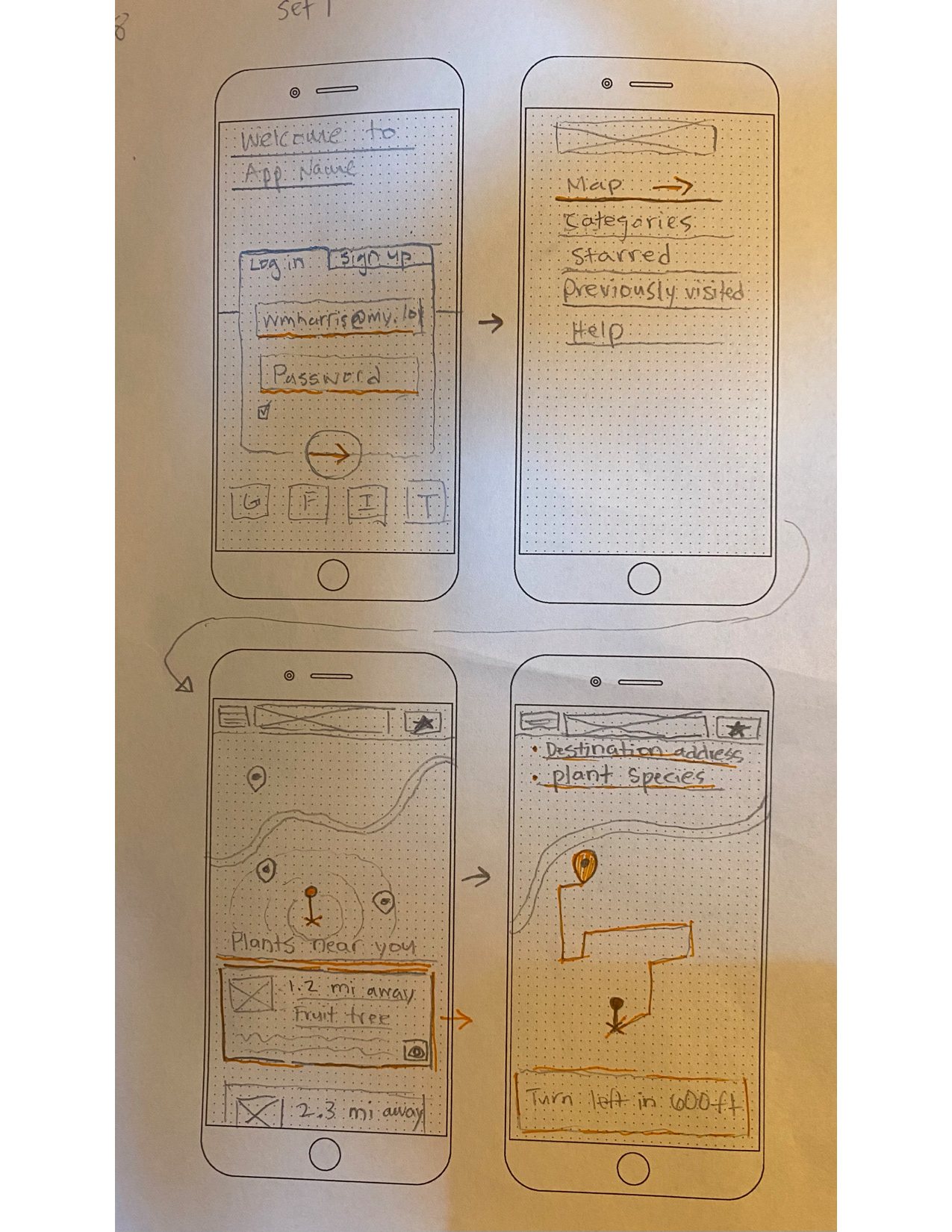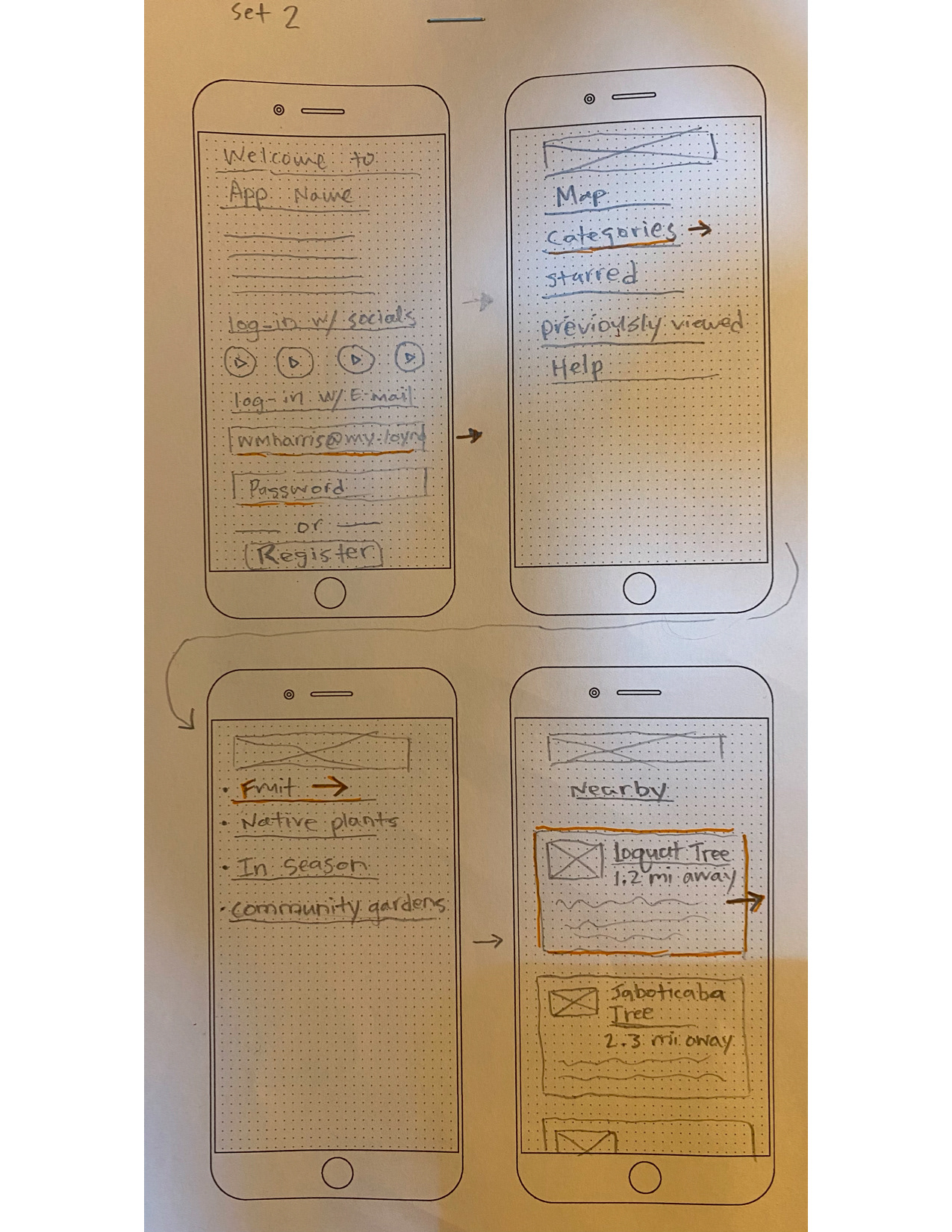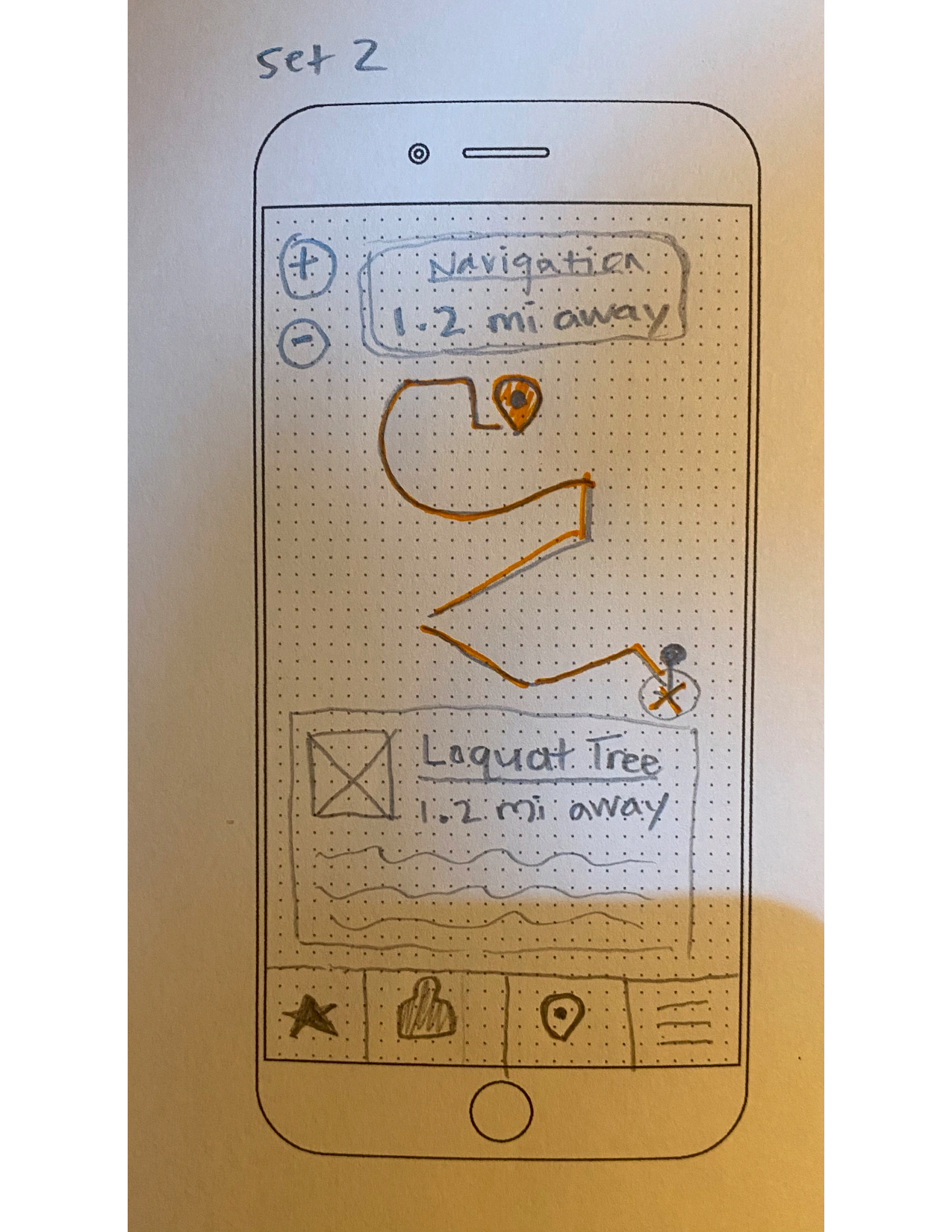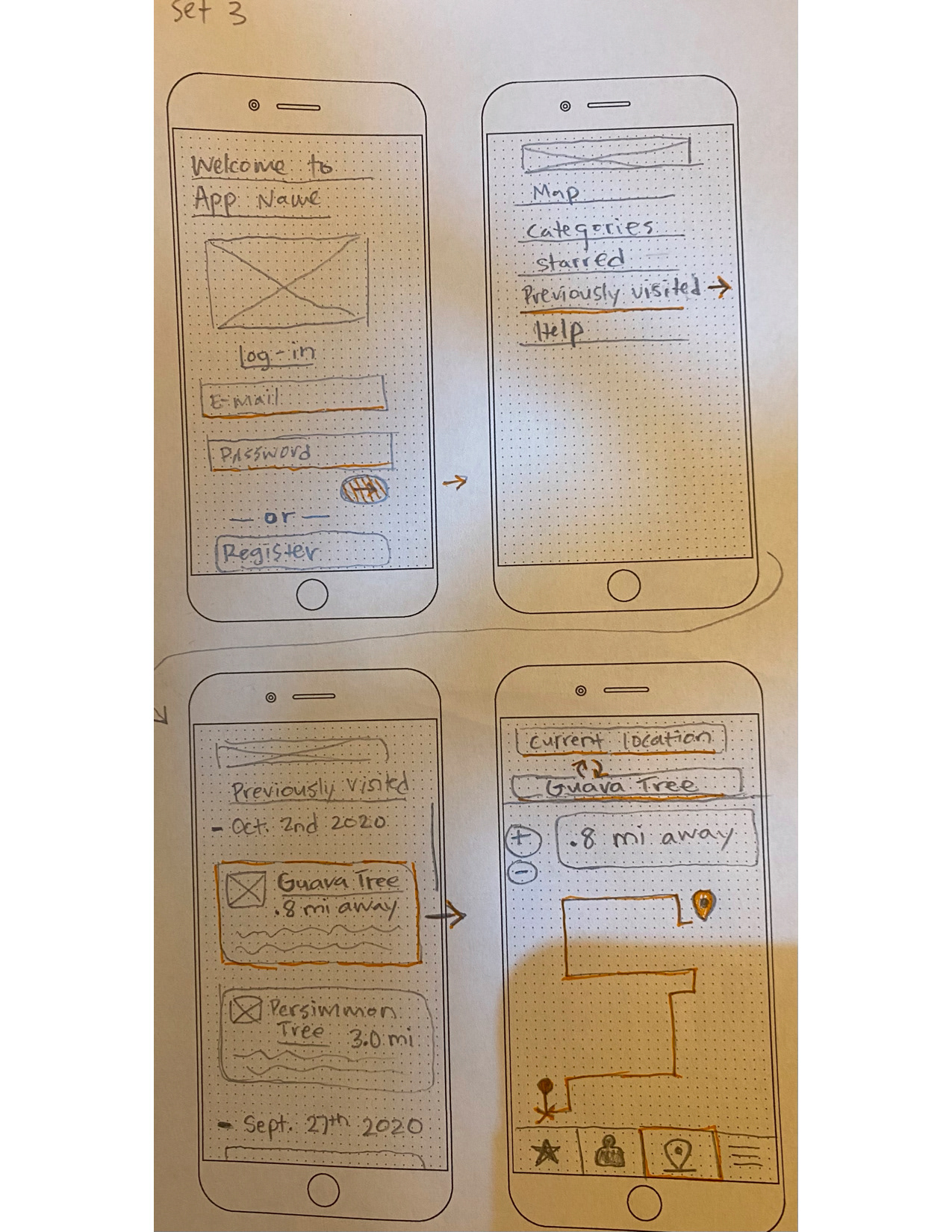
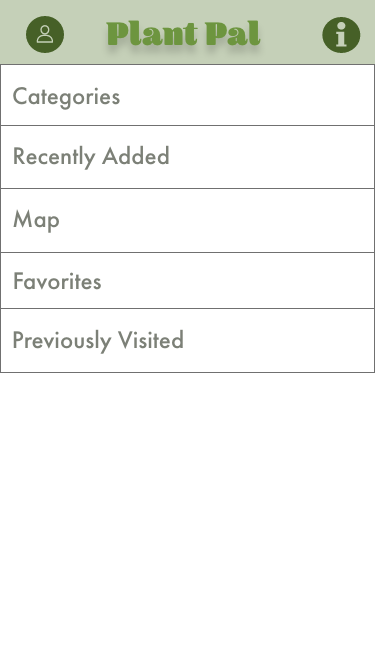
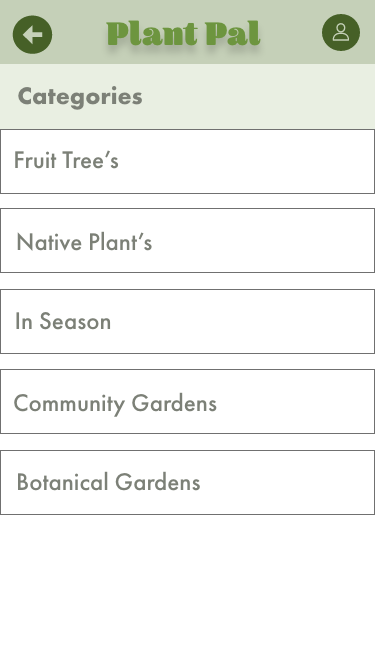
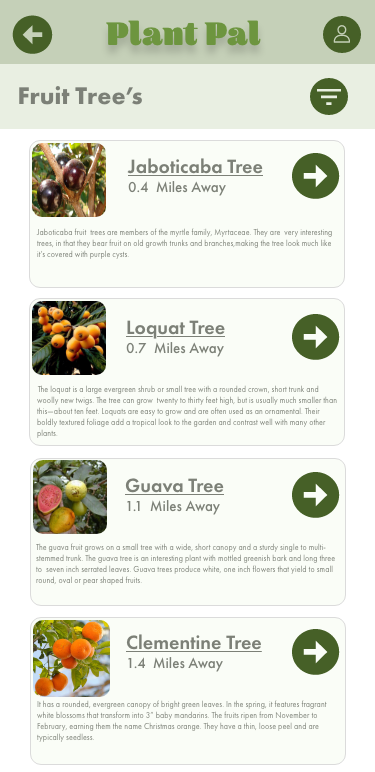
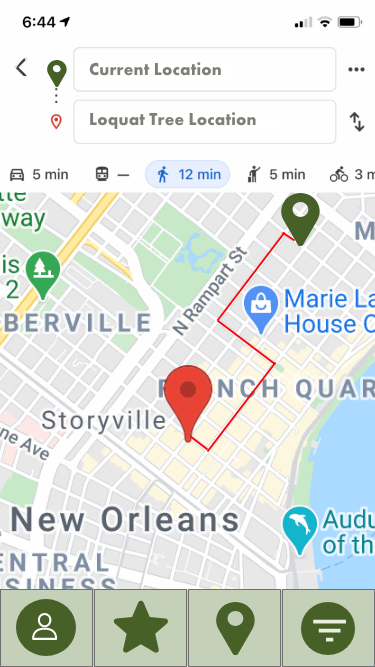
My fruit picking/ native plant locator app, Plant Pal, works to solve hunger, educate users on local plant species, and enforce a sense of neighborhood community through nature. I originally wanted to create this application because of my love and admiration for nature; but specifically, I wanted to connect users to their local communities. Because of this I believe that my target user would be similar to applications such as; Pokémon-go or Randonautica, that has a majority of its users in the 18-29 year-old margin. This makes sense as these are the people are more willing to search out an opportunity for adventure and to cure boredom. Especially considering the recent lockdown order that has been implemented in 2020, people are more willing to go outside to fill their time than ever before. In this process, I believe that a shared sense of community will arise from acceptable user marked plants. Encouraging users to venture out to the given point in hope that users can develop a better understanding of their community, and how to share within it as well. Thus, I believe that adapting my program to fit an App is the best way for my users to interact and access data. Especially considering that users will have to travel to destinations with the app opened at the same time. I conducted research on target audiences and similar programs to my application in order to understand what I may offer that isn’t available. From this research I created three different sets of sketched prototypes, that were then tested, and a final prototype was settled on. From this I then created a digital prototype and influenced any changes I saw my user struggling with, specifically within the map screen in my app.
What I discovered from my process was that sketching played a key part in creating my user experience. As an artist, I’ve always found sketching helpful, especially within the design process. It starts the flow of taking rough ideas from your mind and making them concrete with paper/pencil. Specifically, it helps you put yourself into your users’ position and determine how you want to communicate your idea to them.
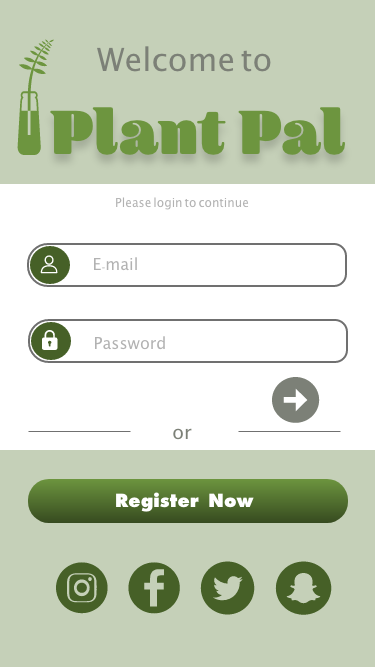
From sketching I was able to face the reality of what “will” or “won’t work”. This gave me the ability to entertain all the possibilities of what the end result of my “product” had the potential to be. I had to return back to my vision statement while sketching, to make sure I stay focused on my original problem. I wanted to keep my app clean and minimal as well, in an effort to showcase the actual functions of my app more. Thus, I created a login screen that resembled popular social media platforms, in order to appease my target audience more and make them more familiar. I also found that using several shades of one color helps to keep the focus where you want it, in order to defer from distracting my user. While doing my digital prototype, I found that the proportions of many things in my sketches seemed too small once transferred into digital. Being able to actual test the app myself and adjusting the interactive transitions really showed me that putting yourself in the position of your user is crucial.
Because of this, I would say I faced the most adversity in the early stages of the prototype process. I say this due to originally being too focused on the look of my app, instead of its functions. After creating many sketches and overthinking the original problem, I found that focusing on the crucial functions was the most beneficial way to enter the project. While doing this, your visual aesthetics and interactive design will come to you as you build your way through.
From sketching I was able to face the reality of what “will” or “won’t work”. This gave me the ability to entertain all the possibilities of what the end result of my “product” had the potential to be. I had to return back to my vision statement while sketching, to make sure I stay focused on my original problem. I wanted to keep my app clean and minimal as well, in an effort to showcase the actual functions of my app more. Thus, I created a login screen that resembled popular social media platforms, in order to appease my target audience more and make them more familiar. I also found that using several shades of one color helps to keep the focus where you want it, in order to defer from distracting my user. While doing my digital prototype, I found that the proportions of many things in my sketches seemed too small once transferred into digital. Being able to actual test the app myself and adjusting the interactive transitions really showed me that putting yourself in the position of your user is crucial.
Because of this, I would say I faced the most adversity in the early stages of the prototype process. I say this due to originally being too focused on the look of my app, instead of its functions. After creating many sketches and overthinking the original problem, I found that focusing on the crucial functions was the most beneficial way to enter the project. While doing this, your visual aesthetics and interactive design will come to you as you build your way through.
Overall, I think I learned lots on how some ideas didn’t exactly translate as easy onto paper, and why it is important to have a messy paper prototype phase to build my product even more. Specifically, while creating my paper prototypes and preparing my screens; I found that the similarities in my product menus caused my three prototypes to look quite similar. This made me rethink how my main menu should be displayed in each prototype in order for my prototypes differences to be emphasized. Because of the ease my users had within my app and the knowledge I accumulated along the way; I would say my application was successful!